By Supreme Carpet Cleaning of San Joaquin County · May 6, 2026 · 6 min read
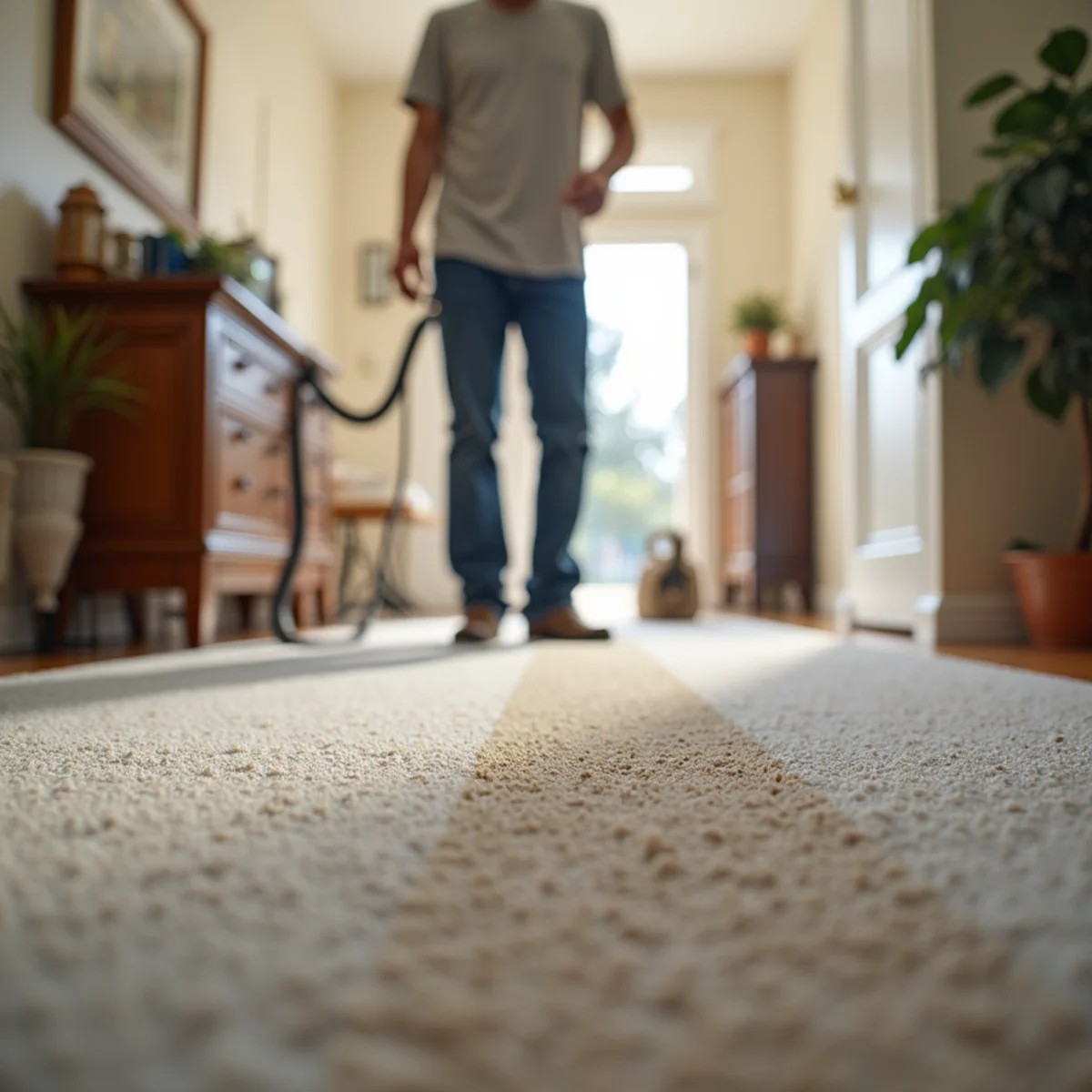
Every home has them: the darker paths worn into the carpet down the hallway, across the living room, and on the stairs. Homeowners often assume that gray path means the carpet is worn out and needs replacing. Usually, it doesn't. More often it's ground-in soil packed into the fibers — and it can come back to life. Here's how to restore high-traffic areas and slow down how fast they gray out again.
Where carpet wears first: hallways, stairs, and entryways
Carpet wears in the places feet concentrate: entryways where you come in from outside, hallways that connect the house, and stairs. These zones take many times the traffic of a bedroom, so they collect soil, flatten, and gray far faster. In two-story Stockton homes around Spanos Park and Bear Creek, the upstairs hallway and stairs are almost always the first areas to show it.
Traffic lanes vs. actual wear — how to tell the difference
There's an important difference between soiling and true wear. A traffic lane that's gray from ground-in dirt will lift and brighten with a deep clean — the fibers are intact, just dirty. Genuine wear is when the fibers themselves are physically frayed, matted permanently, or worn down to the backing. The good news is that most gray paths are soiling, not wear, so a professional clean makes a bigger difference than people expect.
Everyday habits that protect high-traffic zones
Door mats, a no-shoes routine, and regular vacuuming
The best protection is keeping soil off the carpet in the first place. A few habits go a long way:
- Put quality mats at every entry to catch grit before it reaches the carpet.
- Adopt a no-shoes routine to stop tracked-in Valley dust cold.
- Vacuum high-traffic lanes a couple times a week, not just weekly.
- Deal with spills in traffic areas immediately so they don't set.
Rotating rugs and runners
Runners in hallways and area rugs in entryways absorb the wear so your carpet doesn't. Rotating them occasionally spreads that wear evenly, and they're far easier to clean or replace than the carpet underneath. It's a simple, cheap way to protect the areas that take the most punishment.
Why traffic lanes need professional attention
Deep extraction to lift ground-in Valley dust and grit
Traffic lanes are packed with fine, abrasive Central Valley grit that a vacuum can't fully remove — it's wedged deep in the fibers. Professional truck-mounted hot water extraction hits it with hot water and strong suction, lifting that embedded grit out in a way home methods can't. That's what restores the color and, just as importantly, removes the abrasive grit that's grinding down the fibers.
Special attention for stairs
Stairs are the hardest-working carpet in the house and the trickiest to clean, because dirt collects along every edge and in the crease of each step. They need extra time and attention, edge to edge. Our repeat customers who book their main areas plus stairs know that's where a careful hand really shows — one family has trusted us with their carpet and stairs for years for exactly that reason.
How often to refresh high-traffic areas
Because they soil so much faster, high-traffic areas often need attention between full-house cleanings. Many homeowners do a whole-house deep clean every 6 to 12 months with a mid-cycle touch-up on the hallways and stairs. If the paths are graying noticeably before your next scheduled clean, that's the signal for a touch-up.
That gray path down your hallway usually isn't the end of your carpet's life — it's just soil waiting to be lifted out.
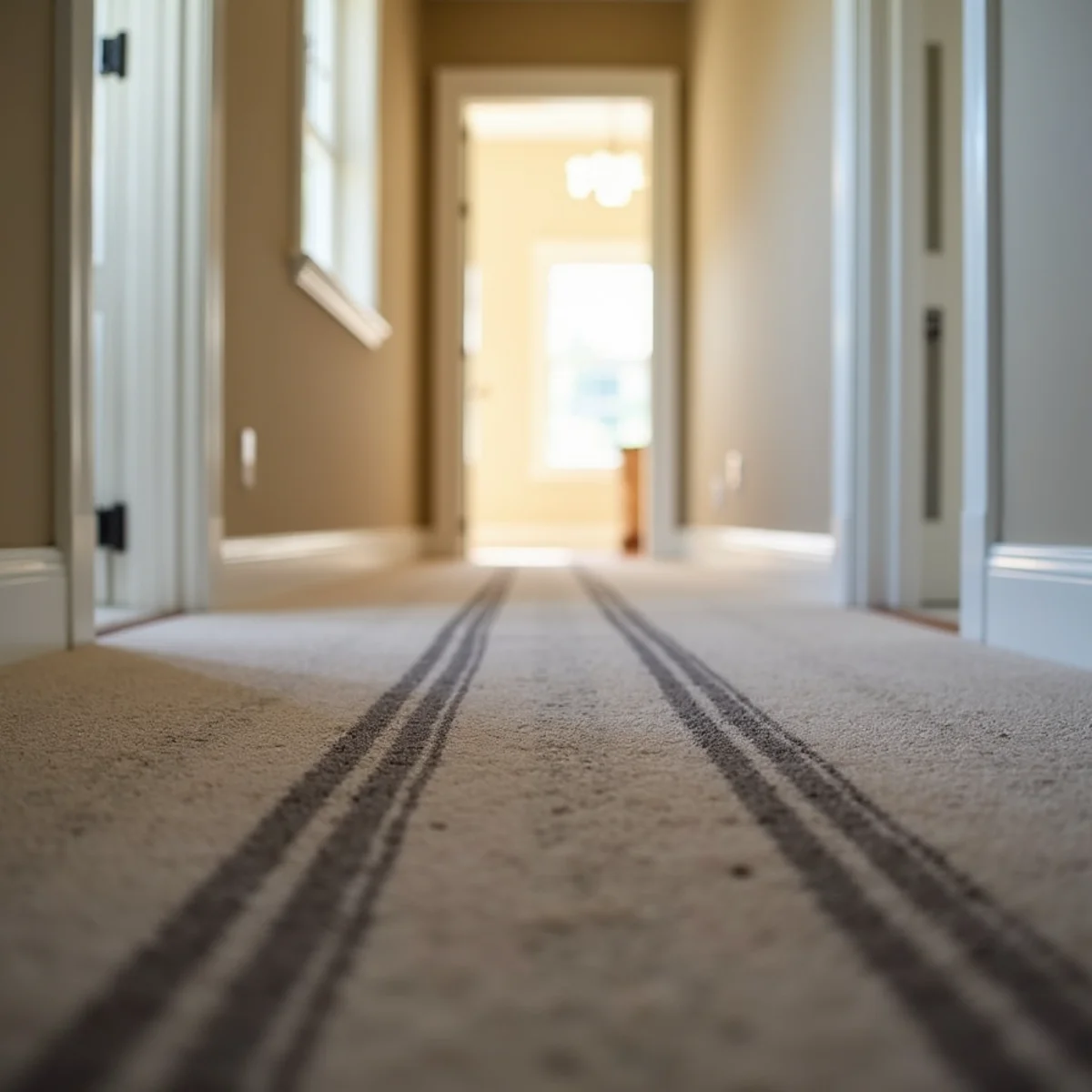
Knowing that a gray path is usually soil and not wear is the first half of the story. The second half is understanding why some hallways gray out in months while others hold up for years, and what you can add to your routine to tip the odds in your favor. Three things make the biggest difference in a busy Stockton home: the fiber your carpet is made of, whether it has a protector on it, and how you actually run the vacuum. None of these get talked about much, and all three are within your control.
Your carpet fiber decides how well it fights traffic
Not all carpet handles foot traffic the same way, and the fiber under your feet explains a lot about how fast your hallway is graying. The word to know is resilience, which is the fiber's ability to spring back after being crushed underfoot. High resilience means the pile bounces back and hides soil; low resilience means it flattens, mats, and shows a traffic lane quickly. Here is how the common residential fibers stack up in the high-use zones of a home:
- Nylon is the most resilient synthetic and the workhorse for hallways, stairs, and family rooms. It resists crushing and bounces back well, so traffic lanes are slower to form and respond well to professional cleaning.
- Triexta is a newer fiber with strong durability and good crush resistance, another solid choice for busy areas.
- Polyester is soft and stain-resistant but not very crush-resistant, so it flattens faster in traffic and is harder to fluff back once the pile bends.
- Olefin, also called polypropylene, resists moisture and fading but has low resilience, crushes quickly, and tends to hold oils, so it can look dingy in a traffic lane even after cleaning.
You cannot change the fiber you already have, but knowing it sets honest expectations. A nylon hallway that grayed out is almost always just soiled and will clean up beautifully. A crushed polyester or olefin lane may clean well for color but still look a little tired where the pile has bent, and that is a fiber trait, not a cleaning failure. When it is time to replace carpet in a high-traffic Stockton home, nylon or triexta in a denser, low-pile construction is the long-game choice.
Local tip: Not sure what fiber you have? Check a scrap left over from installation or the manufacturer paperwork, or just ask when we visit. Our IICRC-certified technicians can usually identify the fiber on sight and tell you what is realistic for your specific traffic lanes before we start.
Carpet protector: the invisible shield most homes are missing
Here is the single most overlooked step for high-traffic areas. When carpet is manufactured, most fibers get a factory stain-and-soil protector, a fluorochemical treatment that lowers the surface energy of each fiber so spills bead up and grit does not bond as easily. The problem is that this protector wears off exactly where you need it most, in the traffic lanes, and it is not permanent. Once it is gone, soil grabs onto bare fibers and starts acting like sandpaper with every footstep. That abrasion is the one kind of damage no cleaning can reverse, so keeping the shield intact is genuinely preventive.
The best time to reapply protector is right after a professional deep clean, when the fibers are freshly rinsed and free of residue so the treatment can bond evenly and be groomed down into the pile. On a high-traffic hallway or a set of stairs, that renewed barrier means the next round of Central Valley dust sits on top of the fiber instead of grinding into it, so vacuuming pulls more of it back out and the carpet stays brighter between visits. It also buys you precious minutes on spills, giving you time to blot before a drink soaks in.
Where protector earns its keep
- Entry hallways and mud-prone doorways that catch tracked-in grit year round.
- Stairs and upstairs landings that take concentrated traffic in a small footprint.
- Living-room and family-room paths between the most-used seats and doorways.
- Any home with kids or pets where spills and accidents are simply part of life.
Vacuuming the right way actually protects the fibers
Most people vacuum too fast and in the wrong pattern, which leaves the deep grit exactly where it does the most harm. In a high-traffic lane the goal is not to make the carpet look clean on top, it is to pull the fine, abrasive soil up out of the base of the pile before it saws through the fibers. That takes a little more time and a slightly different technique than a quick once-over:
- Go slow. Move the vacuum in slow, overlapping passes so the beater bar has time to agitate the pile and lift grit, rather than skimming the surface.
- Cross-hatch the lane. Vacuum the traffic path in two directions, forward-and-back and then side-to-side, to loosen soil wedged against the fibers from every angle.
- Hit the high-use spots more often. Vacuum hallways, stairs, and entries two to three times a week even if the rest of the house only needs it weekly.
- Keep the machine healthy. Empty the bag or bin before it is full, replace a worn beater brush, and check the height setting so the roller actually contacts the pile.
Local tip: Rearranging furniture even slightly can spread out where feet land, so the same narrow lane is not taking every footstep. Nudging a couch or shifting a chair a foot or two redistributes the wear and slows down how fast that one path grays.
Do all three of these together and you change the math on your carpet. The right fiber gives you a head start, protector keeps grit from bonding, and thorough vacuuming lifts what does get in before it turns abrasive. Then a professional truck-mounted hot water extraction on a regular schedule flushes out the fine grit that no home vacuum can reach and, when paired with fresh protector, resets the whole cycle. That is how the busiest homes in San Joaquin County keep their hallways and stairs looking good far longer than the fibers alone would manage.
You cannot stop the traffic in a busy home, but you can stop the traffic from grinding your carpet down, and that is almost entirely about keeping abrasive grit from ever bonding to the fiber.
Rather leave it to the pros?
Supreme is locally owned, licensed and insured, and IICRC-certified, with a 100% satisfaction guarantee on every job. Get a free, no-pressure quote today.
Keep exploring
Frequently Asked Questions
In most cases, yes. A gray traffic lane is usually ground-in soil, not true wear — the fibers are intact, just packed with abrasive grit. Professional hot water extraction lifts that grit out and restores much of the original color. Only genuinely frayed or worn-down fibers won't come back, and that's the exception.
Use entry mats and a no-shoes routine to keep grit off them, vacuum them often, and consider a stair runner to absorb the wear. Just as important, have them professionally cleaned on a regular schedule — removing abrasive grit is what actually protects the fibers from grinding down.
High-traffic areas soil much faster than the rest of the house, so many homeowners refresh them between full cleanings. A common rhythm is a whole-house deep clean every 6 to 12 months with a mid-cycle touch-up on hallways and stairs. If the paths gray out early, that's your cue.
Nylon is generally the top choice because it is the most resilient synthetic, meaning it springs back after being crushed and resists matting in traffic lanes. Triexta is another strong, durable option. Polyester and olefin are softer or more stain-resistant but crush faster, so they tend to show worn-looking paths sooner in busy areas.
Yes, and it matters most in traffic lanes because that is where the original factory protector wears off first. A fresh fluorochemical protector lowers the fibers' surface energy so grit does not bond and spills bead up, which keeps abrasive Central Valley dust from grinding into the pile. It also gives you more time to blot spills before they set.
The ideal time is right after a professional deep clean, when the fibers are freshly rinsed and residue-free so the protector bonds evenly and can be groomed into the pile. On high-traffic hallways and stairs the treatment wears down faster than in quiet rooms, so reapplying it with each professional cleaning keeps the shield working where you need it most.
Use slow, overlapping passes so the brush roll has time to agitate and lift grit, and vacuum the lane in two directions to loosen soil wedged against the fibers from every angle. Hit hallways, stairs, and entries two to three times a week rather than just weekly. Keep the bin from overfilling and make sure the height setting lets the beater brush actually reach the pile.
It depends on what caused the gray look. If it is ground-in soil, professional hot water extraction lifts it and the color comes back close to new. But if abrasive grit was left in the fibers long enough to physically break them down, that abrasion is permanent and cleaning cannot rebuild the pile, which is exactly why keeping soil out with protector and regular vacuuming is so important.