Area Rug Cleaning in Stockton, CA
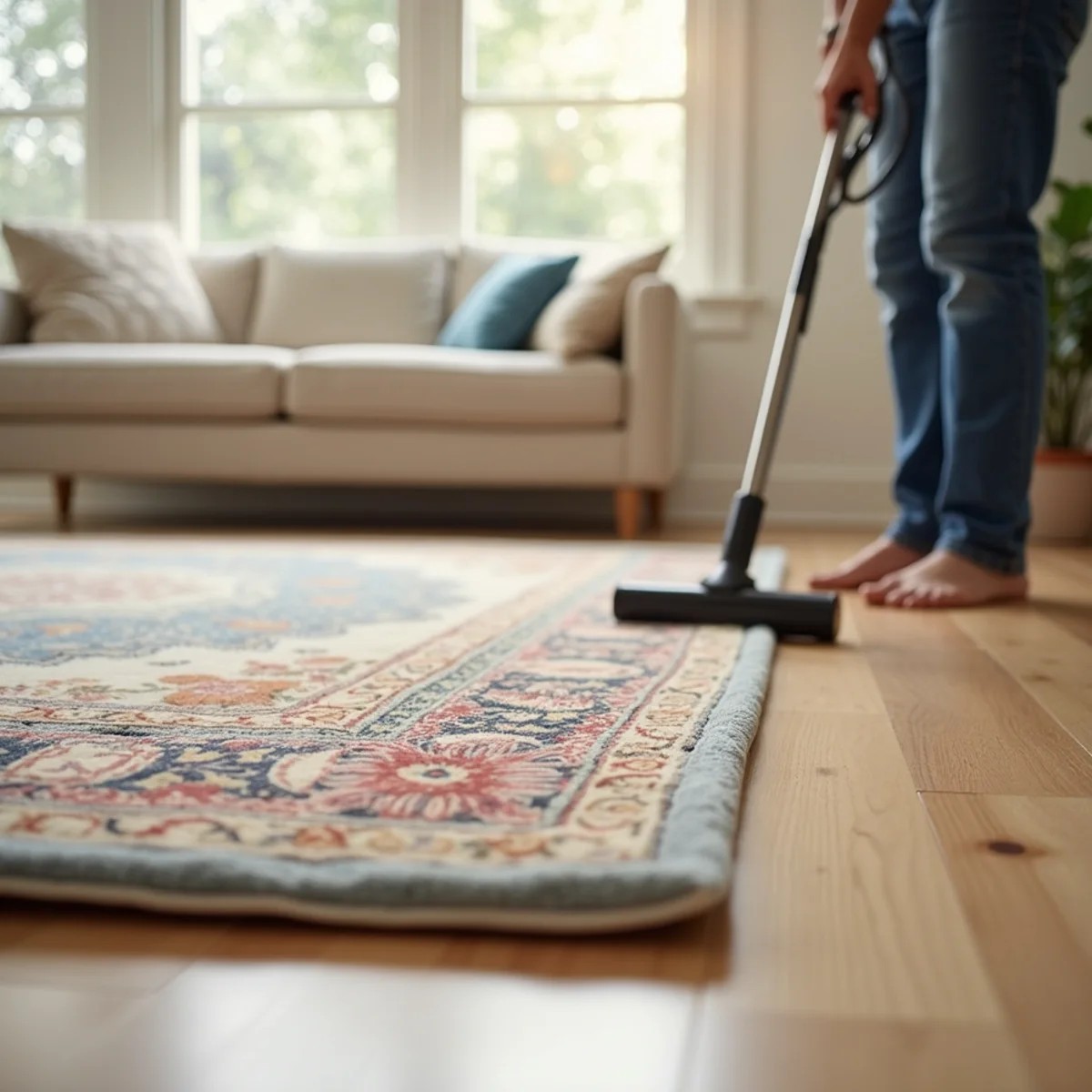
Area rugs anchor a room and take a surprising amount of foot traffic — and because the pile is dense, they hold dust, grit, and pet dander deep down where a vacuum can't reach. Professional area rug cleaning in Stockton, CA revives the color and freshness of your rugs with a gentler touch than wall-to-wall carpet cleaning.
- 5-Star · 50 Google Reviews
- Licensed & Insured
- IICRC-Certified
- Affordable Pricing
- Pet- & Family-Safe
- Carpet · Tile · Upholstery
Local, trusted area rug cleaning across San Joaquin County
Area rugs anchor a room and take a surprising amount of foot traffic — and because the pile is dense, they hold dust, grit, and pet dander deep down where a vacuum can't reach. Professional area rug cleaning in Stockton, CA revives the color and freshness of your rugs with a gentler touch than wall-to-wall carpet cleaning.
Supreme Carpet Cleaning is the careful local specialist for wool, decorative, and high-value rugs across Stockton — from Lincoln Village West to the University District, Magnolia to Garden Acres. Our IICRC-certified technicians assess every rug before choosing a method, so your pieces come back vibrant and intact, backed by our 100% satisfaction guarantee.
Delicate rugs need a gentler method
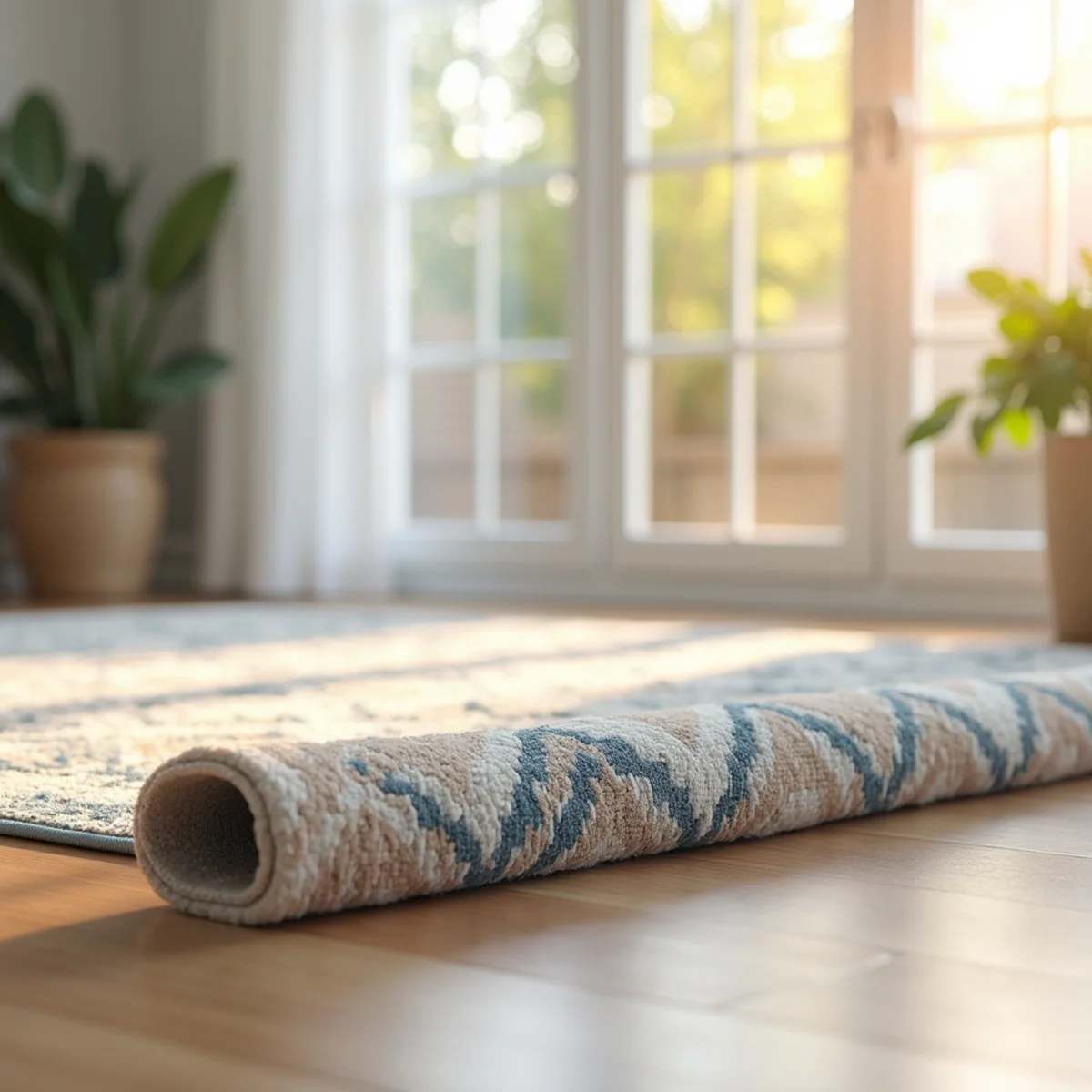
Wool, silk blends, and decorative rugs aren't built for the same aggressive extraction as everyday wall-to-wall carpet — the wrong approach can bleed dyes, distort the pile, or damage fringes. That's why our IICRC-certified technicians inspect the fiber and dye stability first, then choose a gentle, rug-appropriate cleaning method that protects the piece.
For delicate rugs we favor low-moisture, careful cleaning over heavy saturation, using eco-friendly, pet- & family-safe solutions throughout. The goal is a rug that comes back clean and vivid — never one that's been over-cleaned.
- Fiber and dye assessed before any cleaning method is chosen
- Gentle, rug-appropriate cleaning — not aggressive extraction on delicates
- Careful handling of wool, decorative, and high-value pieces
- Eco-friendly, pet- & family-safe cleaning solutions
Reviving color, pile, and freshness
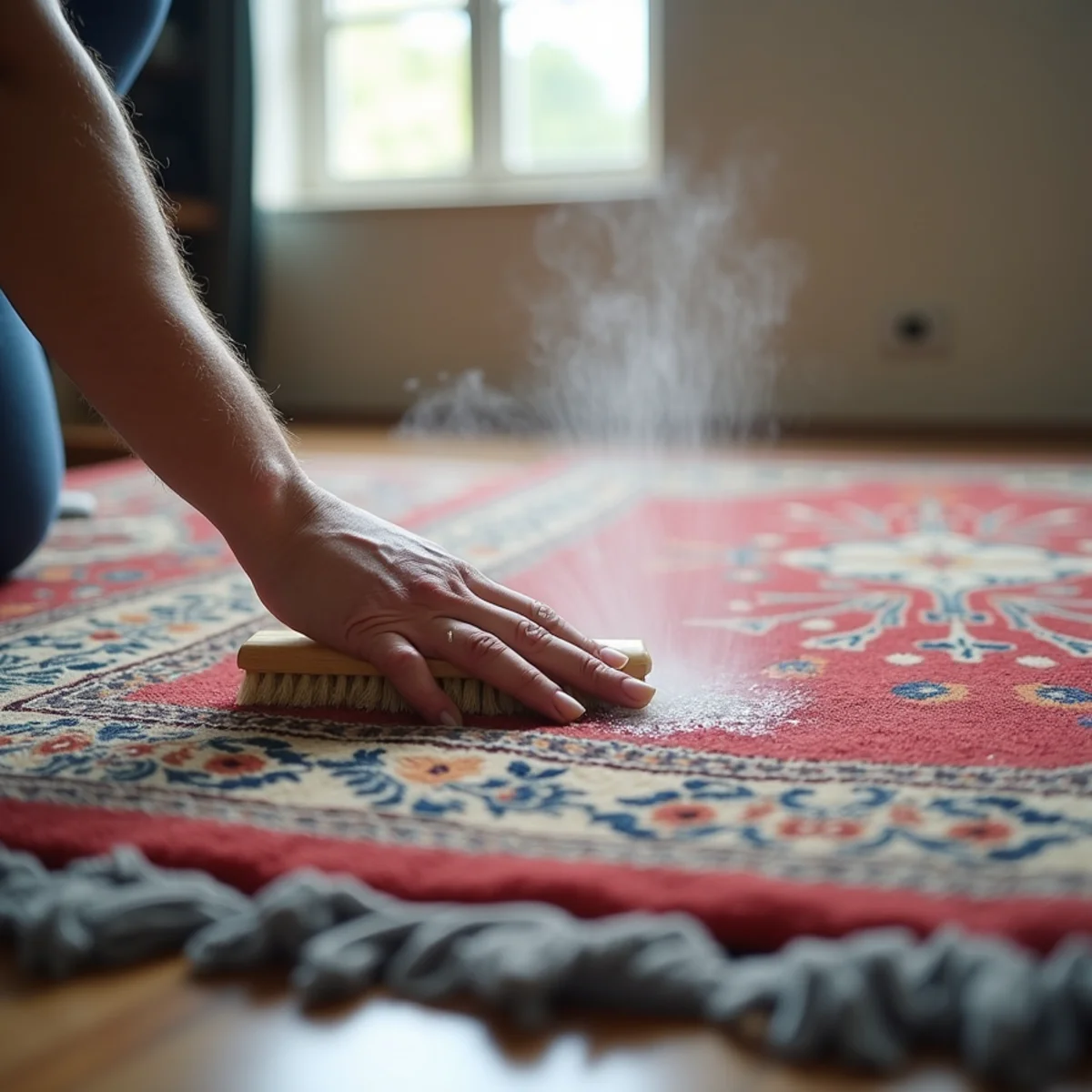
Dust and grit settle to the base of a rug's pile and dull its colors over time. Our cleaning dusts out that deep debris and lifts the ground-in soil, so the pattern and colors come back to life and the pile feels soft underfoot again.
Cassandra summed it up simply — "awesome job on our rugs." And when Annel had really bad stains from her little ones, they came out looking like brand new, on schedule and at a great price. That's the careful, honest result we aim for on every rug.
- Deep-dusts grit and debris from the base of the pile
- Revives faded colors and restores a soft, full pile
- Great results even on tough kid- and pet-related stains
Pet accidents and room-size rugs
Pets and area rugs are a common combination, and accidents soak into the pile fast. We can often treat pet stains and odor on rugs with pet-safe solutions — the same expertise behind our pet stain & odor removal service. We also clean large, room-size rugs, not just small accent pieces.
Whether your rug goes under the dining table or covers most of the living room, call for a free estimate and we'll recommend the safest approach for your specific piece.
How our area rug cleaning works
A clear, thorough method from the first call to the final walkthrough — no surprises, backed by our 100% satisfaction guarantee.
- 1
Free quote & scheduling
Tell us about your rugs for honest pricing and flexible booking.
- 2
Inspect fiber & dye
We check the fiber type and dye stability so the method is safe for the piece.
- 3
Dust & pre-treat
We dust out deep grit and pre-treat spots with non-toxic solutions.
- 4
Gentle, rug-appropriate cleaning
We clean with a method matched to the rug, favoring low-moisture care on delicates.
- 5
Careful drying
We dry the rug carefully to protect the fibers and prevent distortion.
- 6
Groom & walkthrough
We groom the pile and review the refreshed rug with you before we finish.
Know Your Rug Before You Clean It: Fibers, Fringe, and What Central Valley Living Does to a Rug
An area rug is not just a small carpet you can throw in the wash. It is often a hand-knotted or specialty piece with its own foundation, dyes, and fringe, and it lives in a home surrounded by fine San Joaquin County dust, delta breeze grit, and dry Central Valley heat. Getting it truly clean without harming it means understanding what it is made of first. This guide covers the fiber differences, the dusting step most people never see, and the between-visit habits that keep a Stockton rug looking rich for years.
Wool, silk, synthetic, or plant fiber — each rug behaves differently
The single most important thing a rug specialist does is identify the fiber, because wool, silk, synthetics, and natural plant fibers each react to water and cleaning solutions in their own way. Use the wrong approach and you risk browning, dye bleed, shrinkage, or a matted, distorted pile. That is why our IICRC-certified technicians assess construction and dye stability before any solution touches the rug, then match the method to the material.
- Wool — soft, resilient, and naturally soil-hiding, but sensitive to over-wetting and high heat; it needs controlled moisture and gentle, pH-appropriate cleaning to protect the fibers and dyes.
- Silk and viscose (art silk) — luxurious and delicate, prone to color bleed and texture change, so they get the most careful, low-moisture handling of all.
- Synthetics like polypropylene, nylon, and polyester — the durable, budget-friendly rugs common in family rooms; they tolerate a more thorough clean and rinse well.
- Natural plant fibers such as jute, sisal, seagrass, and cotton — highly absorbent and quick to brown or ripple if saturated, so they call for a drier, more conservative method.
Local tip: Not sure what your rug is made of? Do not guess with a home carpet machine or a rented steamer — those are built for wall-to-wall synthetic carpet, not a wool or silk rug. Call for a free estimate and we will identify the fiber and dye stability for you before anything gets wet.
The dusting step you never see — and why it matters most
A dense woven rug can hold pounds of dry grit deep in its foundation before it even looks dirty, and here in the dusty Central Valley that soil builds up fast. If a cleaner wets a rug without first removing that embedded dry soil, they are essentially turning fine grit into mud inside the pile — which is why thorough dusting comes before any washing. We work loose dust, dander, and abrasive grit out of the base of the pile first, so the deep clean that follows can actually flush the rug clean instead of smearing dirt around.
- Inspect the fiber, backing, and dye stability, and note any pre-existing wear or weak fringe.
- Dust out the deep, dry grit and dander that a household vacuum leaves at the base of the pile.
- Pre-treat spots, pet areas, and traffic paths with eco-friendly, pet- and family-safe solutions.
- Clean with a rug-appropriate method — favoring low-moisture care on delicate wool, silk, and plant fibers.
- Dry the rug in a controlled way, kept flat and even, to prevent shrinkage, browning, and pile distortion.
- Groom the pile, tidy the fringe, and walk through the refreshed rug with you.
Fringe, colorfastness, and drying flat
Fringe is usually cotton and is often the foundation warp of the rug itself, so it is fragile — the loose ends untwist and fray with normal use and careless cleaning. We handle fringe gently rather than scrubbing it. Colorfastness is the other quiet risk: some rugs, especially deeply saturated reds and hand-dyed pieces, can bleed if flooded with water, which is exactly why we test dye stability up front and lean toward low-moisture methods on anything that looks at risk. And drying matters as much as washing — a rug dried unevenly or left damp can brown, ripple, or grow musty, so we dry it flat and evenly to keep it true to shape.
- Gentle fringe handling to avoid untwisting, fraying, and texture loss.
- Dye-stability testing before cleaning to guard against color bleed on rich or hand-dyed rugs.
- Flat, even, controlled drying to prevent browning, rippling, and shrinkage.
- Careful attention to the backing so glued or woven foundations are not over-wet.
Protecting wool rugs from moths — and caring for them between cleanings
Clothes-moth larvae feed on the keratin protein in wool, and the spots they love most are the quiet, dark, undisturbed areas of a rug — under a sofa, along an edge, or on the back where it faces the floor. The single best defense is not letting soil, skin cells, and pet dander sit in the wool, because that residue is part of what feeds an infestation. Regular vacuuming plus a professional deep clean every year or two removes that food source and gives moths far less to work with. A little routine care between visits keeps any rug looking its best and extends its life.
- Vacuum with suction only or a brushless head on delicate and fringed rugs to protect the fibers, and periodically flip the rug to vacuum the back where moths hide.
- Rotate the rug 180 degrees every few months so foot traffic and Central Valley sunlight wear and fade it evenly.
- Use a quality rug pad to cushion the fibers, curb slipping, and let air move underneath.
- Blot spills immediately with a clean white cloth — never rub — and skip harsh grocery-store spot removers that can set stains or bleach dyes.
Local tip: Rolling a wool rug up for storage or a move? Wrap it in breathable material rather than plastic, and store it clean and dry off the floor — a soiled rug sealed away is exactly the dark, undisturbed buffet moths look for.
We treat every rug like it is the one piece in your home that cannot be replaced — assess it first, clean it right, and hand it back looking the way you remember it.
More ways we keep your home fresh
One local team for carpets, upholstery, tile, rugs, pet odor, and more — often in a single visit.
Upholstery Cleaning
Freshen the couches and chairs your family uses every day. Fabric-safe upholstery cleaning that lifts body oils, food, and pet dander so your whole room feels new again.
Learn More→Carpet Cleaning
Deep, thorough carpet cleaning that lifts traffic-lane grime, pet messes, and set-in dirt. Professional truck-mounted hot water extraction leaves carpets looking new again and dry in just a few hours.
Learn More→Pet Stain & Odor Removal
Target set-in pet accidents and lingering smells at the source. Deep treatment for urine and odor — not a mask — with eco-friendly, pet- & family-safe results your whole household can trust.
Learn More→Serving Stockton & all of San Joaquin County
Wherever you are in the county, your local Supreme team is close by for area rug cleaning and every service we offer.
Don't see your town? Call +1 (216) 483-2200 or view all service areas.
Area Rug Cleaning questions, answered
Straight answers on pricing, safety, scheduling, and results. Have another question? Just give us a call.
Yes. Our IICRC-certified technicians assess the fiber and dye stability first, then use a gentler, rug-appropriate method — so wool, decorative, and delicate rugs are cleaned safely without harsh extraction.
We'll confirm the best approach for your specific rug when you book. {/* OWNER: confirm in-home vs pickup */} Either way, we assess the piece first and recommend the safest method.
Often, yes — we treat pet stains and odor on rugs with pet-safe solutions. For heavy or set-in pet issues, ask about our pet stain & odor removal service, which goes even deeper.
We do — most sizes, from small accent rugs to large room-size pieces. Call for a free estimate and we'll recommend the right approach for your rug.
Wall-to-wall carpet is almost always synthetic and glued to a pad, so it handles aggressive hot water extraction well. Area rugs are often wool, silk, or natural plant fiber with their own backing, dyes, and fringe, so they need to be dusted out first and then cleaned with a gentler, fiber-matched method to avoid bleeding, browning, or shrinkage. That is why we assess each rug before choosing an approach rather than treating it like ordinary carpet.
For most homes, a professional cleaning every one to two years keeps a rug fresh and, for wool rugs, removes the soil that can attract moths. Higher-traffic rugs and homes with pets, kids, or allergy concerns benefit from more frequent care, since fine Central Valley dust settles into the pile faster than you would expect. Regular vacuuming between visits stretches the time your rug stays looking its best.
Absolutely. Durable synthetics like polypropylene, nylon, and polyester are some of the most common family-room rugs we clean, and they generally rinse and dry beautifully. We still assess the fiber and backing first, because even a synthetic rug can have a foundation or dye that calls for a careful touch.
Not when it is done right. We handle fringe gently to avoid untwisting and fraying, and we test dye stability before cleaning so rich or hand-dyed colors do not bleed. Our low-moisture, fiber-appropriate methods and controlled, flat drying are designed specifically to protect both the fringe and the color, and every job is backed by our 100 percent satisfaction guarantee.
Keep it clean and keep it moving. Moth larvae feed on wool and love dark, undisturbed spots, so vacuum regularly — including the back and the edges under furniture — rotate the rug so no area sits untouched, and have it professionally deep cleaned every year or two to remove the soil that feeds them. If you store a wool rug, make sure it is clean, dry, and wrapped in something breathable rather than sealed in plastic.
Ready for professional area rug cleaning in Stockton?
Get a fast, free, no-obligation quote today. Fair pricing for homes and businesses across Stockton and San Joaquin County — backed by our 100% satisfaction guarantee.