By Supreme Carpet Cleaning of San Joaquin County · April 22, 2026 · 6 min read
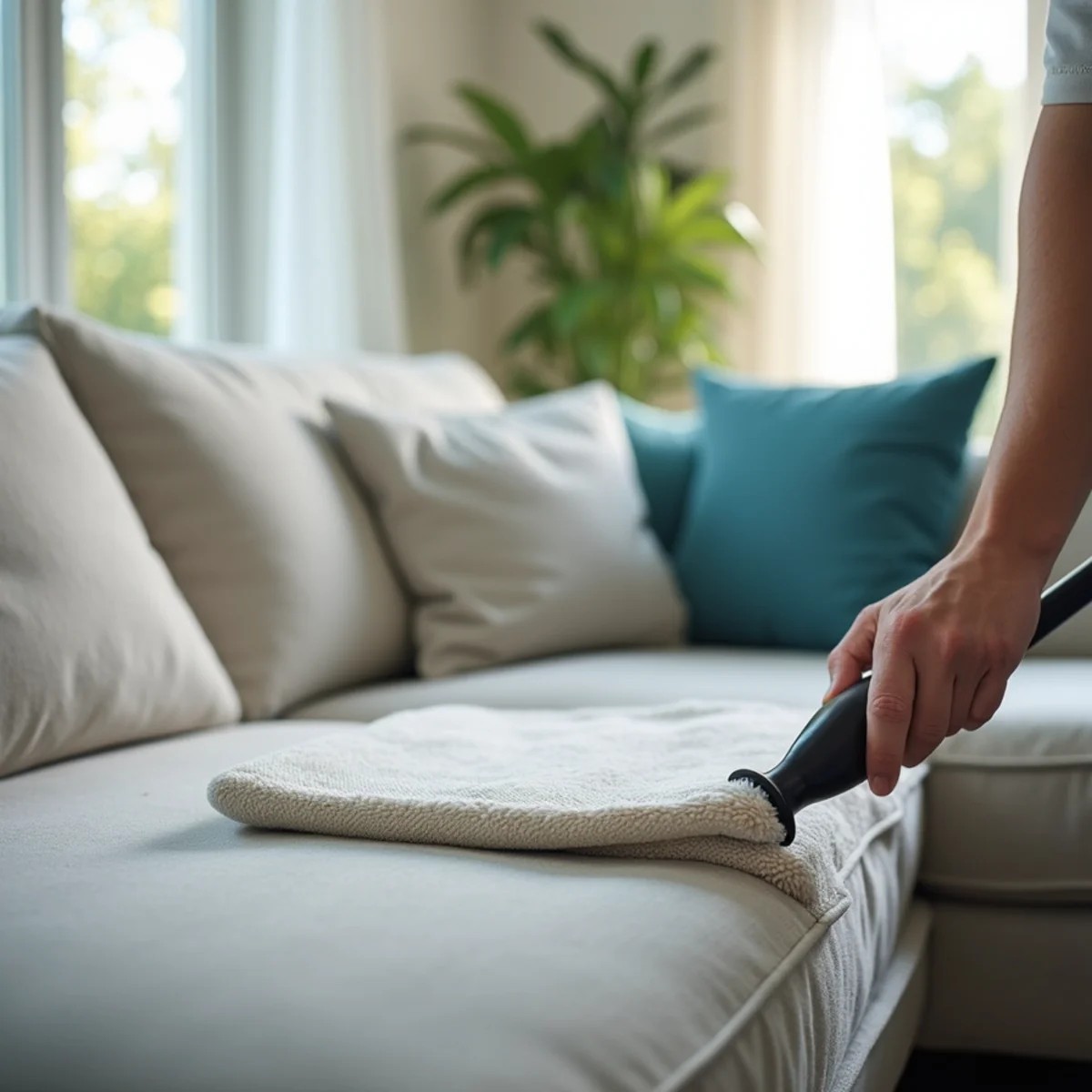
Think about how much your sofa actually does. It's where the family piles on after school, where the dog naps, where you eat dinner in front of a game. It sees more daily use than almost any carpet in the house — and yet most people never have it cleaned. A professional upholstery refresh is one of the easiest ways to make an entire living room feel new again. Here's how it works and why it's worth it.
How much your sofa actually absorbs (dust, oils, crumbs, pet hair)
Upholstery is a magnet for everything that floats through your home: dust, body oils, food crumbs, pet hair and dander, and airborne Central Valley grime. It all works into the fabric and cushions over months and years. Because it builds gradually, you stop noticing — until a cleaning reveals just how much dirt and dinginess had accumulated in furniture you sit on every day.
The body oils are the sneaky part. Every time someone leans on the back of the couch or rests their head on a cushion, a little skin oil transfers into the fabric. That oil then attracts and holds dust, which is why the arms and headrest areas darken first and why a quick vacuum never quite fixes it. Those oils have to be broken down and rinsed out, not just brushed off the surface — and that's exactly what a professional clean does.
Signs your upholstery needs attention
Dullness, odors, and worn-looking cushions
A few tells that your furniture is overdue: the fabric looks dull or grayed compared to hidden areas under the cushions, there's a faint musty or pet odor, the arms and headrest area feel slightly grimy, or the cushions just look tired. If you run your hand along the back and it feels different from the seat, that contrast is soil.
Why upholstery needs different care than carpet
Matching the method to the fabric
Upholstery isn't just carpet on a frame. Fabrics vary widely — some can take moisture, some are delicate, some need a solvent-based approach. Using the wrong method can shrink, discolor, or watermark the fabric. That's why it takes a trained eye to identify the material and match the cleaning method to it, which is exactly what our IICRC-certified technicians do before touching your furniture.
What professional upholstery cleaning includes
Eco-friendly, pet- & family-safe solutions, gentle extraction, and fast drying
A professional upholstery cleaning is a careful, thorough process:
- Identify the fabric and choose the right method for it.
- Pre-treat spots, oils, and high-contact areas like arms and headrests.
- Clean with eco-friendly, pet- and family-safe solutions.
- Gently extract the soil and moisture so it dries fast.
The result is furniture that looks brighter, feels fresh, and smells clean — safe for the kids and pets who use it, and dry before you know it.
Caring for cushions, sectionals, and chairs between cleanings
Between professional cleanings, vacuum your upholstery regularly with a brush attachment, rotate and flip cushions so wear stays even, and blot spills immediately instead of rubbing them in. A little routine care keeps furniture looking good and stretches the time between deep cleanings.
Pairing upholstery cleaning with your carpet appointment
The smartest move is to have your upholstery cleaned in the same visit as your carpet. The room gets a complete refresh at once — clean carpet under freshly cleaned furniture — and it's more efficient than booking two separate appointments. It's a favorite with our Brookside and Lincoln Village West customers, and it's why one homeowner told us their sofas looked brand new again.
You'd never wear the same clothes for years without washing them — your sofa deserves the same courtesy.
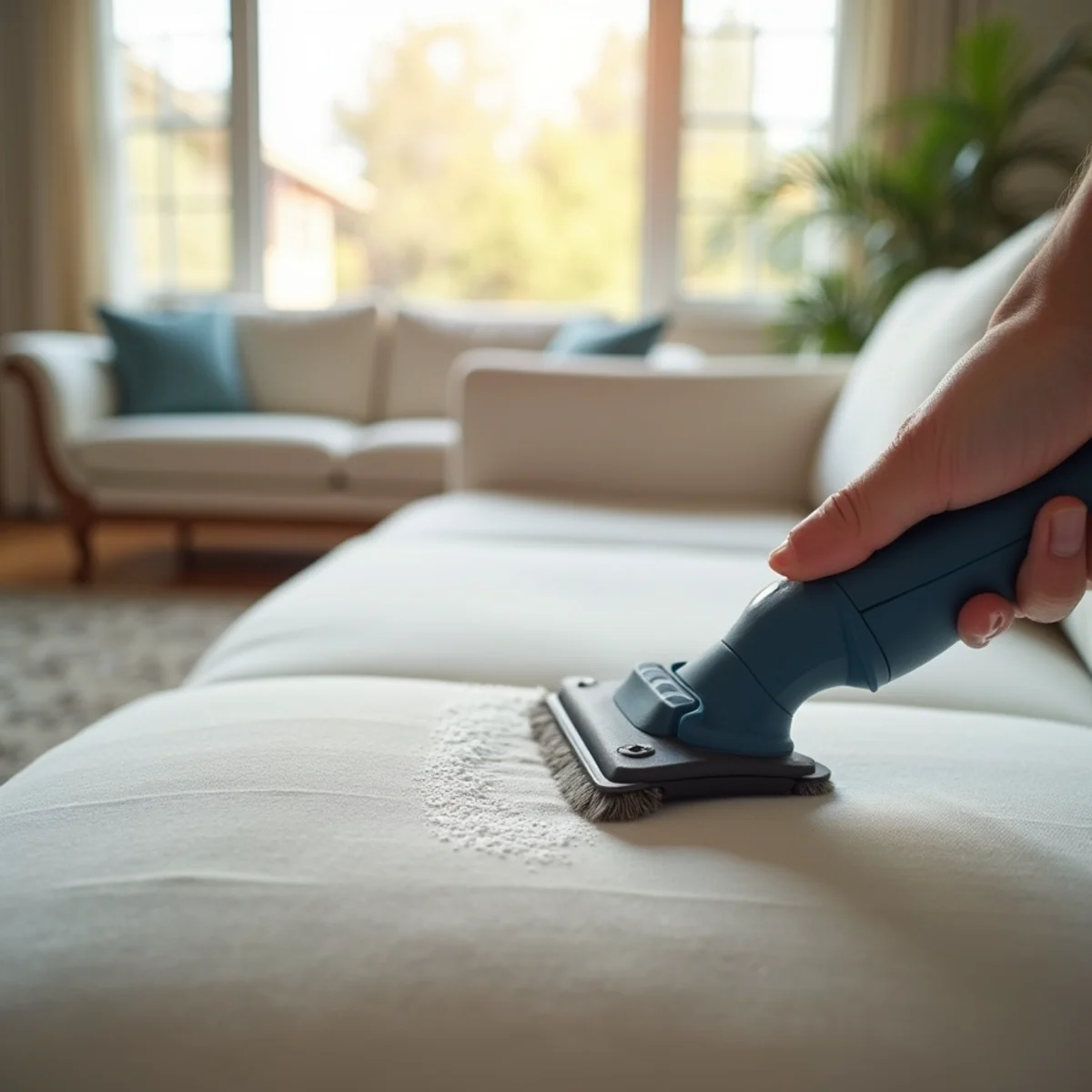
Once you understand that your sofa holds more than it lets on, the next question is a practical one: how do you get it clean without gambling on the fabric? That is where the small details matter. There is a hidden tag that tells a technician exactly what your furniture can handle, an invisible layer of protection that changes how long a clean lasts, and a real health payoff that most Stockton homeowners never connect to their couch. This section fills in the parts that turn a good refresh into a safe, lasting one.
Read the tag first: what the W, S, W/S, and X cleaning codes mean
Nearly every piece of upholstered furniture carries a manufacturer cleaning code, usually printed on a tag tucked under a seat cushion or along the base of the frame. That single letter is the difference between a fabric that comes out bright and one that browns, shrinks, or watermarks. Before any solution touches your furniture, our IICRC-certified technicians find that code and match the method to it. Here is what each one is telling you:
- W (water-based): safe for water-based solutions and truck-mounted hot water extraction. Common on durable synthetics like polyester, nylon, and many microfiber blends.
- S (solvent only): water can cause browning or rings, so these fabrics need a dry, solvent-based approach. Often delicate natural fibers, some rayons, velvet, or damask.
- W/S (water or solvent): either method is acceptable, starting with the gentlest option that fully removes the soil.
- X (vacuum or brush only): no liquid of any kind. These very delicate fabrics are cleaned with careful vacuuming and grooming, never wet cleaning.
Local tip: Before your appointment, flip a seat cushion and look for the small fabric tag. Snapping a quick photo of the code and reading it to us over the phone helps us bring the right approach for your exact furniture the first time.
The health side of a clean couch: allergens, dust mites, and Valley air
A sofa is a soft, warm, humidity-holding surface that quietly collects the same things your carpet does, only closer to where you breathe. Shed skin cells feed dust mites, and the fabric traps pollen, pet dander, and the fine airborne grime that drifts in during Central Valley allergy season. For anyone in the home with allergies or asthma, that buildup gets stirred back into the air every time someone sits down or fluffs a cushion.
Regular professional cleaning does for your furniture what it does for your carpet: it flushes those allergens out instead of letting them accumulate. Our eco-friendly, non-toxic, pet- and family-safe solutions and gentle extraction lift the trapped dust and dander, so the surface your family actually leans on all day is genuinely clean, not just freshened on top.
Different pieces, different care: leather, microfiber, dining chairs, and mattresses
Upholstery is not one job. The living-room sofa gets the most attention, but the pieces around it each ask for their own approach, and a trained technician adjusts accordingly:
- Microfiber and synthetics respond well to hot water extraction and usually dry fast, within a few hours.
- Leather is cleaned and conditioned rather than saturated, so it stays supple instead of drying out and cracking.
- Dining chairs and bar stools collect food, drink, and daily hand oils in concentrated spots, so pre-treatment matters most here.
- Recliners and sectionals have seams, crevices, and headrest zones where oils and crumbs hide and need extra passes.
- Mattresses hold months of sweat, skin cells, and dust mites and benefit from the same extraction and deodorizing your sofa gets.
Fabric protector: why the last step makes the clean last
Cleaning removes what has built up; a fabric protector helps keep it from building up again. Applied to a freshly cleaned, dry piece, a quality protector coats the fibers so spills bead up and sit on the surface for a few seconds instead of soaking straight in. That extra window is often the difference between blotting a spill away and living with a set-in stain, and it makes your everyday vacuuming more effective by keeping soil on top of the fabric rather than ground into it.
It is especially worth it on light-colored fabrics, on furniture in busy family rooms, and on any piece that hosts pets or snack time. Ask us whether protector is a good fit for your fabric when we assess your furniture, and we will give you a straight answer during your free estimate.
A safe upholstery clean starts before the wand ever touches the fabric, with someone reading the tag and knowing what your furniture can take.
Rather leave it to the pros?
Supreme is locally owned, licensed and insured, and IICRC-certified, with a 100% satisfaction guarantee on every job. Get a free, no-pressure quote today.
Keep exploring
Frequently Asked Questions
We clean a wide range of upholstery fabrics. The key is identifying the material first and matching the method to it — some fabrics take moisture, others need a gentler or solvent-based approach. Our IICRC-certified technicians check the fabric before cleaning so your furniture is treated safely.
Upholstery uses more varied and often more delicate fabrics than carpet, so the method has to be matched to the material to avoid shrinking, watermarking, or discoloration. We use gentler extraction and fabric-appropriate, eco-friendly solutions, and it still dries fast so your furniture is usable the same day.
Absolutely, and we recommend it. Cleaning your upholstery and carpet together gives the whole room a complete refresh in one appointment and is more efficient than booking separately. Just mention both when you request your free quote.
Look for a small fabric tag under a seat cushion or along the bottom of the frame; it usually shows a single letter or a pair. W means water-based cleaning is safe, S means solvent only, W/S means either method works, and X means vacuum or brush only with no liquids. If you are not sure or cannot find the tag, our IICRC-certified technicians will identify the fabric and choose a safe method before cleaning.
Yes. Leather is handled differently than fabric, cleaned gently and then conditioned rather than saturated with water, so it stays soft and does not dry out or crack. The goal is to lift the body oils and grime that dull leather over time while keeping it supple. We assess your specific piece and use the right approach for it.
It does. Sofas and mattresses collect dust mites, pet dander, and pollen that get stirred into the air whenever you use the furniture, which can worsen allergy and asthma symptoms indoors. Professional hot water extraction flushes those allergens out of the fabric instead of leaving them to accumulate, and we use non-toxic, pet- and family-safe solutions so the result is safe for the people and pets who use it.
For most busy family rooms it is worth it, especially on light-colored fabrics and pieces used by kids or pets. A protector is applied after cleaning so spills bead up and give you a few seconds to blot them before they soak in, which helps prevent set-in stains and keeps the furniture looking clean longer. We will tell you honestly whether it suits your fabric during your free estimate.
Yes, mattresses are a great candidate for the same process. They absorb months of sweat, skin cells, and dust mites, and extraction with deodorizing treatment freshens them and removes a lot of what triggers allergies. Just mention any mattresses when you request your free quote so we can plan the visit.