By Supreme Carpet Cleaning of San Joaquin County · January 28, 2026 · 6 min read
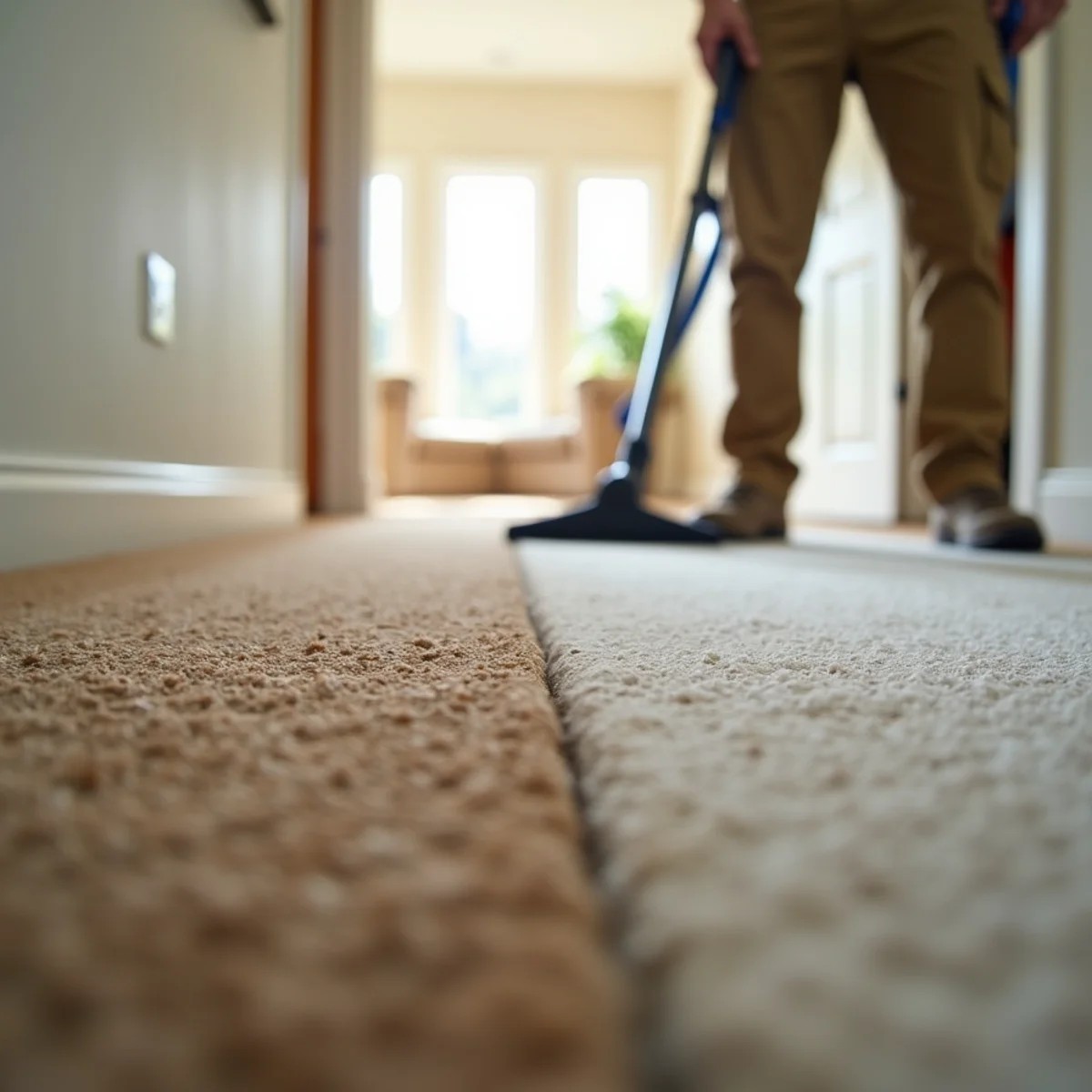
Carpet is very good at hiding how dirty it really is. The fibers are dense, the color masks soil, and the mess settles down low where you can't see it. That's why so many Stockton homeowners are genuinely surprised at how much comes out during a professional clean. Instead of waiting for carpet to "look" dirty, watch for these seven everyday signs — they show up long before the damage becomes permanent.
Why carpet hides how dirty it really is
Dry soil, oils, and allergens sift down through the pile and collect near the base of the fibers and in the backing. From standing height, the carpet can look fine while a surprising amount of grit sits below the surface. By the time it's visible, it's usually been building for a while — so the earlier signs are the ones worth learning.
The 7 signs
1. Smells that come back after you clean
If a room smells fine right after you clean but the odor returns in a day or two, the source is deeper than the surface — usually in the pad or backing. Surface sprays only mask it. That's a clear signal for professional extraction that treats the source, not just the top.
2. Matted, gray "traffic lanes"
Those darker paths through hallways and between rooms are ground-in Central Valley grit packing down the fibers. In many cases the carpet isn't worn — it's just soiled — and a deep clean brings it back closer to its original look than most homeowners expect.
3. Stains you keep re-scrubbing
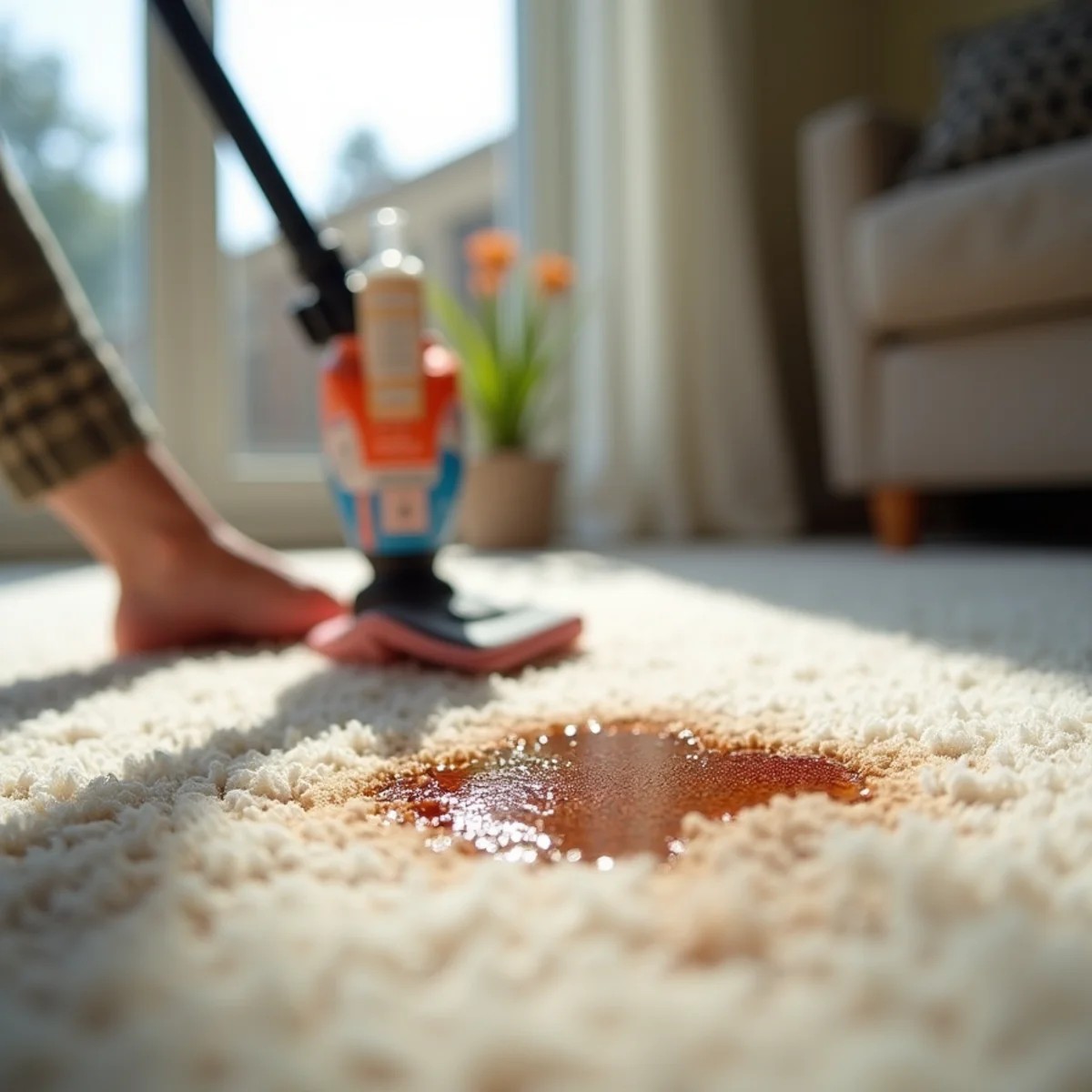
If you clean a spot and it reappears a few days later, you're likely dealing with wicking or leftover residue. Re-scrubbing at home often makes it worse. Proper extraction and thorough rinsing are what actually stop a stain from returning.
4. Allergy or congestion symptoms indoors
Carpet holds pollen, dust, and pet dander. When it fills up, those allergens get stirred back into the air every time someone walks by. If sniffles and congestion are worse at home than away, it's often a sign your carpet needs a deep clean to flush those allergens out.
5. Carpet feels crunchy or sticky underfoot
A gritty or sticky feel means soil and old cleaning residue have built up in the fibers. That residue actually attracts more dirt, so it snowballs. Professional cleaning rinses it clean and leaves the carpet soft again.
6. It's been over a year (or you can't remember)
If you can't recall the last professional cleaning, it's been too long. Most Stockton homes benefit from a deep clean every 6 to 12 months — more often with pets or kids. Many carpet warranties expect it, too.
7. Visible pet accidents or spills that soaked in
Anything that soaks past the surface — pet accidents, big spills — reaches the pad and needs proper treatment to fully remove. Left alone, it becomes a recurring odor and stain. The sooner it's treated, the better the outcome.
What a professional clean reaches that a vacuum can't
A vacuum handles loose surface soil. Professional truck-mounted hot water extraction goes further, lifting what's settled deep down:
- Ground-in grit and oils packed at the base of the fibers.
- Trapped allergens like pollen, dust, and pet dander.
- Set-in spots and the residue that makes stains return.
- Odor sources in the backing that surface sprays can't reach.
When to book sooner rather than later
If you're spotting several of these signs — especially recurring odors or stains — don't wait for the carpet to get worse. Pet-heavy suburbs across San Joaquin County and busy family homes in Weston Ranch and Spanos Park tend to hit these signals faster, and year-round Central Valley allergens don't help. Getting ahead of it protects both your carpet and your budget.
The best time to clean carpet is before it looks like it needs it — that's when a deep clean does the most good.
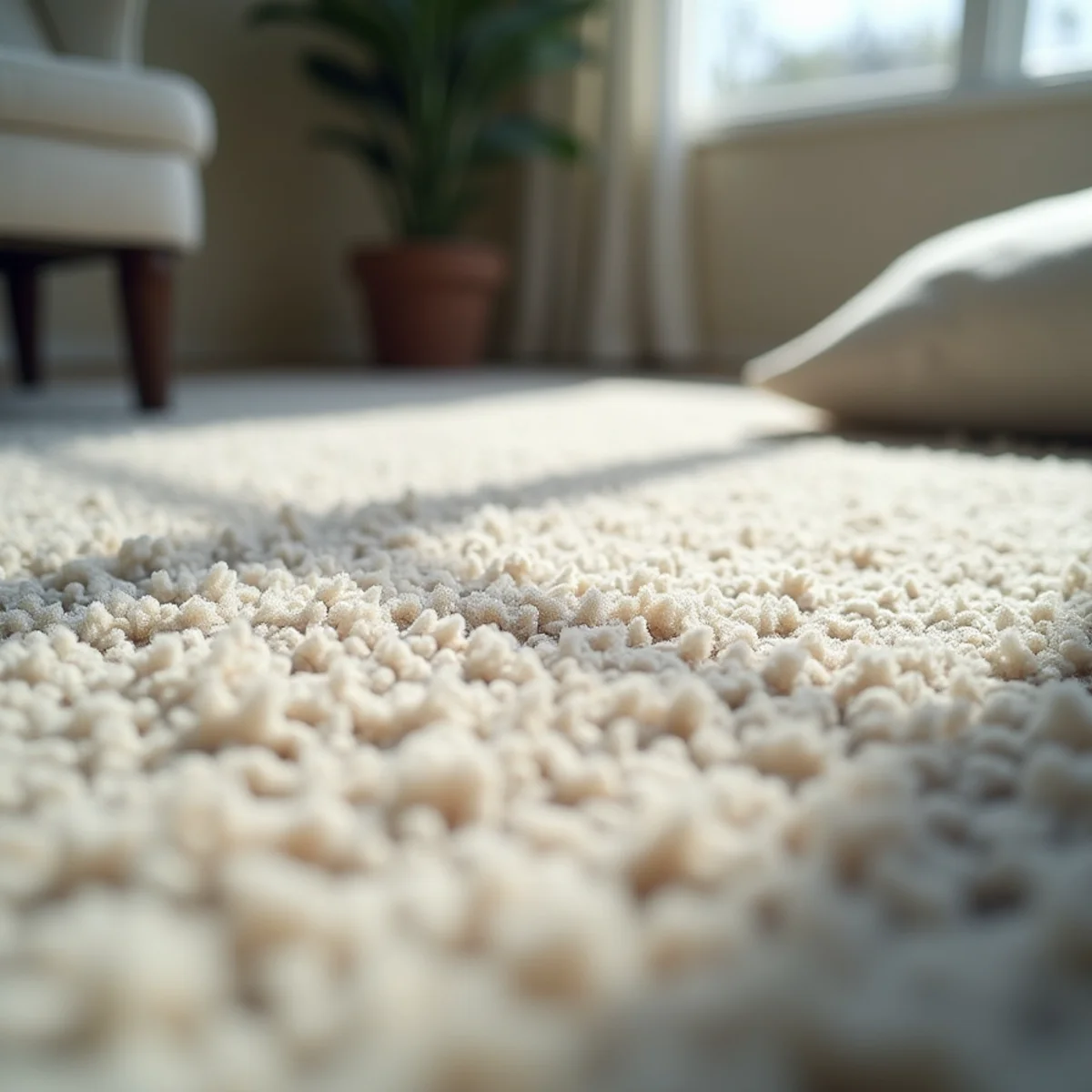
The seven signs above are the ones you notice by living with your carpet. But you don't have to wait for them to show up on their own — you can check a room in about two minutes with things you already own. And a few of the most important signals are ones Stockton homeowners tend to overlook entirely, because they don't look like "dirt" at all. This section adds a simple at-home test, the moisture and air-quality clues worth watching, and what the industry standard actually says about timing.
Three quick at-home tests to check your carpet right now
Because carpet is engineered to hide soil, your eyes are the least reliable tool you have. These three checks give you a straight answer instead of a guess. None of them replace a professional inspection, but together they tell you whether it's time to pick up the phone:
- The white-towel test: dampen a clean white cloth with warm water and rub a high-traffic lane firmly for ten seconds. If the towel comes up gray or brown, that discoloration is embedded soil your vacuum left behind. Use a plain white towel only, so no dye transfers to a damp carpet.
- The palm test: run your open hand flat across the pile in a hallway or by the entry. If it feels gritty, stiff, or crunchy rather than soft, you're feeling abrasive Central Valley grit and old cleaning residue packed down at the base of the fibers.
- The footprint and puff test: look for footprints or pet paw prints that stay visible after people walk through, and watch a sunbeam when someone crosses the room. A visible puff of dust rising off the pile means the carpet is holding more airborne soil than it can keep down.
Local tip: Do the white-towel test on the edge of a closet or under a piece of furniture too, then compare it to your traffic lane. That hidden spot is close to your carpet's original color, so the difference between the two towels shows you exactly how much soil has built up in the areas you actually walk on.
The moisture red flags that signal more than dirt
Not every warning sign is about soil. A carpet that has stayed damp — from an over-wet home cleaning, a slow leak, a spilled pet bowl, or humidity that never fully dried out — can start growing mold and mildew below the surface in just a couple of days. This matters year-round in San Joaquin County: our dry summers help carpet dry fast, but winter damp, swamp-cooler humidity, and closed-up rooms create exactly the conditions mold likes. Watch for these clues that moisture, not just dirt, is the problem:
- A musty, earthy, or sour smell that is different from a pet odor and gets stronger in humid weather or closed rooms.
- Carpet that still feels cool or slightly damp long after any spill or a previous cleaning should have dried.
- Discoloration, dark blotches, or a fuzzy look spreading out from a spot where water once sat.
- Worsening congestion, sneezing, or itchy eyes that ease when you leave the house, which can point to mold spores or a growing dust-mite population feeding on trapped humidity and dander.
Moisture problems are the one situation where waiting genuinely makes things worse fast, because mold and dust mites multiply on their own. Professional truck-mounted hot water extraction cleans hot, rinses thoroughly, and pulls most of the moisture back out so the carpet dries in a few hours instead of sitting wet — the opposite of what an over-soaked rental machine leaves behind.
Your carpet and the air your family breathes
It helps to think of carpet as the largest air filter in your home. It quietly traps pollen, pet dander, dust, and dust-mite waste and holds them out of the air you breathe — which is genuinely useful, right up until the filter is full. Once the fibers are saturated with allergens, everyday foot traffic stirs them back into the room, and that's often why indoor air feels worse than outdoor air. A full filter is a sign in itself. When you can't recall the last deep clean, assume the filter needs emptying, and lean toward cleaning sooner if anyone in the home has asthma or year-round allergies.
What the timing standard actually says
There's a professional benchmark behind the "once a year" rule of thumb. The industry cleaning standard calls for regularly used wall-to-wall carpet to be professionally cleaned at least annually, with more frequent attention to entryways, traffic areas, and heavy-use zones. On top of that, many carpet manufacturers require professional hot water extraction every 12 to 18 months to keep the warranty valid — and they may ask to see dated receipts as proof. So "it's been a while" isn't just a cosmetic sign; it can have real consequences for your coverage.
Local tip: Keep the receipt from every professional cleaning in the same folder as your carpet's warranty paperwork. If a manufacturer ever questions a claim, that paper trail is the difference between a covered repair and a denied one — and our IICRC-certified team can provide clear documentation for exactly that reason.
You don't have to wait until the carpet looks bad. Two minutes with a white towel usually answers the question before your eyes ever would.
Rather leave it to the pros?
Supreme is locally owned, licensed and insured, and IICRC-certified, with a 100% satisfaction guarantee on every job. Get a free, no-pressure quote today.
Keep exploring
Frequently Asked Questions
The odor source is usually below the surface — in the pad or backing — where store-bought sprays can't reach. Those sprays mask the smell for a day or two, then it returns. Professional truck-mounted hot water extraction treats the source and rinses it out, which is what actually clears a recurring odor.
Very often, yes. Gray traffic lanes are usually ground-in soil packing the fibers down rather than true wear. Deep extraction lifts that grit and grooming restores the pile, bringing most traffic lanes much closer to their original look. Truly worn-out fibers are the exception, not the rule.
You often can't tell by looking — many stains that seem set will lift with proper professional treatment. As a rule, the fresher the spill and the fewer times it's been scrubbed at home, the better the odds. Our IICRC-certified technicians can assess it during a free quote and tell you honestly what's realistic.
Rub a clean, damp white towel firmly across a high-traffic lane for about ten seconds. If the towel comes away gray or brown, that's embedded soil your vacuum can't reach, and it's time for a deep clean. Compare it to the same test done under furniture or in a closet, where the carpet is closer to its original color, and the contrast tells you how much has built up.
Yes. If carpet stays damp from a leak, an over-wet cleaning, or lingering humidity, mold and mildew can begin growing below the surface within a couple of days. The tells are a musty or sour smell that is different from pet odor, a carpet that still feels cool or damp, or dark blotches spreading from an old wet spot. This is the one case where waiting makes it worse quickly, so it's worth acting fast.
It can. Carpet works like a large filter, trapping pollen, dust, dust-mite waste, and pet dander out of the air. Once it's saturated, walking across it releases those allergens back into the room, which is often why indoor air feels worse than outside. Professional hot water extraction flushes those trapped allergens out, which is especially worthwhile for households with asthma or year-round allergies.
Many carpet manufacturers require professional hot water extraction every 12 to 18 months to keep the warranty valid, and they can ask for dated receipts as proof. Storing each receipt with your warranty paperwork protects your coverage if a claim ever comes up. Our IICRC-certified team can provide clear documentation with every job.
Yes. When footprints or pet paw prints stay visible after someone walks through, it means there's enough loose soil and grit sitting on the fibers to show every step. That surface layer is abrasive and grinds down the pile over time. It's an early, easy-to-spot signal that a professional deep clean will lift out what vacuuming leaves behind.